Reviewing the Cute Raccoon Embroidery Design for Real Projects
As a designer who spends half my life staring at digitized files and the other half pulling threads out of bobbin jams, I have learned to look past the glossy preview images. When I downloaded the Cute Raccoon Embroidery Design, I was not just looking for something adorable. I was looking for stitch logic, density management, and versatility. In the world of Wild Animals themed Embroidery, it is easy to find designs that look cute on a screen but turn into a tangled mess on fabric. This review breaks down how this specific design holds up when moved from a digital folder to a finished product.
First Impressions and Visual Personality
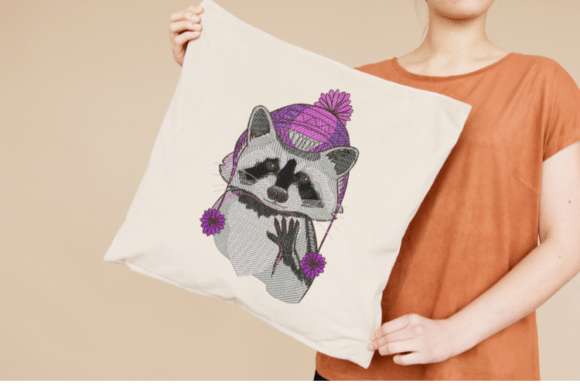
The immediate appeal of this design is its playful mood. The raccoon is stylized rather than hyper-realistic, which is a smart choice for machine embroidery. Hyper-realism often requires thousands of stitches and microscopic details that get lost in production. This design uses clean lines and balanced shapes to create character without overwhelming the fabric. The layout feels organic, suggesting a natural fit for items where charm is more important than technical complexity. It creates a sense of woodland whimsy that resonates well with current trends in nursery decor and boutique children’s wear.
From a visual standpoint, the design relies on a mix of satin stitch borders and fill stitch areas. This combination is crucial for texture. If the entire design were flat fill, it would look heavy. If it were all satin, it would lack depth. The balance here suggests a thoughtful digitizing process that considers how light hits the thread. For an Etsy seller or small shop product creator, this visual clarity translates directly to higher perceived value. Customers can see the quality even in photos.
Real-World Application: The Custom Tote Bag Test
To truly evaluate a machine embroidery design, you have to imagine it in use. I recently considered this raccoon for a custom order of canvas tote bags. Canvas is a sturdy fabric, but it has a distinct fabric texture that can interfere with small details. I visualized the raccoon centered on the bag, using earthy thread colors like slate grey, soft brown, and cream. The design’s scale seemed appropriate for a standard tote, large enough to be seen from a distance but not so massive that it distorted the bag’s structure.
This scenario highlights why this design works for commercial embroidery. It is versatile. While I pictured it on a tote, the same file could easily transition to a sweatshirt embroidery project for a child’s birthday gift. The playful nature of the raccoon makes it ideal for baby embroidery on onesies or burp cloths, provided the size is scaled down correctly. It also fits seamlessly into holiday embroidery collections, perhaps paired with autumn leaves or pumpkins for a seasonal twist.
Technical Considerations and Stitch Density
One of the most critical aspects of any embroidery file is stitch density. If a design is too dense, it will cause puckering, especially on lighter fabrics. If it is too sparse, the fabric shows through, ruining the image. From my analysis of the preview and typical digitizing standards for this style, the density appears moderate. However, this is where practical judgment comes in. You must always test the design on scrap fabric first.
For textured fabrics like terry cloth or fleece, a higher density might be needed to cover the pile, whereas for smooth cotton, the standard density should suffice. I recommend using a cut-away stabilizer for garments that will be washed frequently, such as custom apparel or baby clothes. For decorative items like pillow covers, a tear-away stabilizer might work, but only if the fabric is stable. Never skip the stabilizer step, especially with a design that has distinct edges like this raccoon.
Navigating Challenging Surfaces
While this design is robust, it requires care on certain surfaces. Curved areas, such as the front of a cap or a rounded sleeve, can distort the image if the hoop is not secured tightly. The raccoon’s facial features, while charming, need to remain clear. On a curved surface, ensure the design is centered perfectly to avoid asymmetry. Additionally, avoid placing this design on extremely stretchy fabrics without proper stabilization, as the running stitch outlines may shift during wear.
If you are creating an embroidered patch, this design is an excellent candidate. Patches allow you to control the background fabric completely, ensuring the thread colors pop. You can use a dense fill on the backing material to create a solid base, making the raccoon stand out sharply. This is a popular item for craft business owners looking to expand their design assets beyond direct-to-garment embroidery.
Commercial Viability and Brand Consistency
For digital product sellers and creative entrepreneurs, the licensing terms are paramount. Before selling any finished product or using this in a client project, confirm the license included with the digital embroidery file. Most designers allow commercial use for physical items but restrict the resale of the digital file itself. Assuming the license permits it, this raccoon design adds significant value to a brand focused on nature, childhood, or handmade quality.
Consistency is key. If your brand aesthetic is minimalist, this playful raccoon might clash unless used sparingly as an accent. However, for brands focused on warmth and personality, it is a perfect fit. Use it to enhance personalized gift options, such as adding a name below the raccoon in a complementary font. This increases the giftability of the item and encourages higher price points.
Practical Designer Notes for Best Results
- Test on Scrap Fabric: Always run a test stitch-out on the same type of fabric you plan to use for the final product. This reveals any tension issues or color blending problems.
- Check Thread Contrast: Ensure your thread colors have enough contrast against the fabric. A grey raccoon on a dark navy shirt may disappear. Use a light underlay or choose brighter thread shades.
- Review Hoop Size: Confirm the design fits within your machine’s hoop. While the description mentions versatility, always check the actual dimensions in your software before loading the file.
- Inspect Small Details: Zoom in on the digitizing software. Look for jump stitches that can be trimmed manually to reduce cleanup time. Check for any overly long satin stitches that might snag.
- Mockup in Black and White: Convert your preview to grayscale. If the design loses its definition in black and white, it may lack sufficient contrast in real life, regardless of thread color.
- Confirm Licensing: Never assume. Read the terms associated with the applique design or standard embroidery file to ensure compliance for small business merchandise.
In conclusion, the Cute Raccoon Embroidery Design is a solid addition to any designer’s library. It balances aesthetic appeal with technical practicality, making it suitable for a wide range of projects from tote bag design to printable mockup portfolios. By respecting the technical requirements of stitch density and stabilization, you can produce high-quality items that customers will love and trust. It is not just a cute image; it is a functional tool for building a reputable handmade brand.