Review: Deer Head Embroidery Design for Craft Fairs
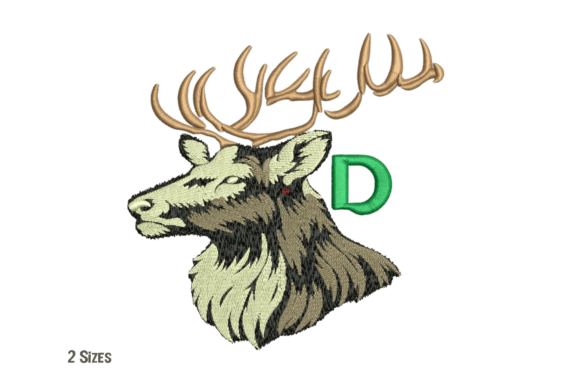
As an embroidery designer who has spent countless weekends behind a booth table, I know that the difference between a browsing customer and a buying customer often comes down to visual impact. When I first loaded the Deer Head Embroidery Design into my digitizing software, my immediate thought was not just about stitch paths, but about shelf appeal. This design brings the elegance of nature to your embroidery projects with its majestic presence. For those of us selling handmade products, having a design that reads clearly from three feet away is crucial.
First Impressions and Aesthetic Appeal
The Deer Head Embroidery Design strikes a balance that is increasingly difficult to find in the saturated market of Wild Animals themed art. It feels rustic yet refined. It is not overly cartoonish, which allows it to appeal to a broader demographic, from farmhouse decor enthusiasts to modern outdoor lovers. The beautifully detailed antlers and realistic features suggest a premium quality that elevates the perceived value of any item it adorns.
When evaluating this as a potential bestseller, I look for versatility. Does it feel too seasonal? While deer are often associated with winter holidays, this specific design leans towards a timeless woodland aesthetic. This makes it a viable craft fair product year-round, rather than something that gathers dust in July. The line work appears clean, suggesting that it will maintain its integrity even when scaled down for smaller items.
Product Application and Versatility
The true test of any machine embroidery design is how it performs across different substrates. Here is how I envision using this asset in a real-world production cycle:
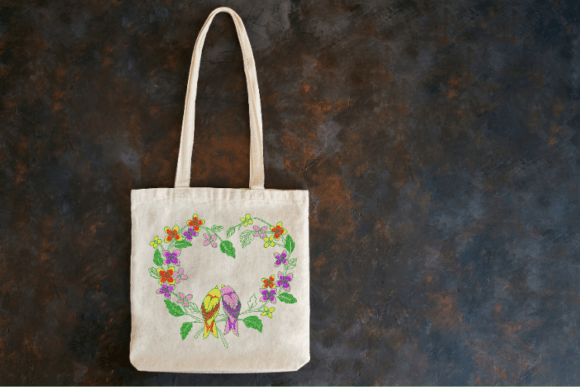
- Tote Bags: This is perhaps the strongest candidate. A large-scale version of the deer head on a natural canvas tote bag design creates an instant statement piece. The contrast of dark thread against unbleached cotton highlights the antler details beautifully.
- Aprons and Tea Towels: For kitchen linens, scale is key. A medium-sized placement on the bib of an apron or the corner of a tea towel embroidery project adds a touch of rustic charm without overwhelming the fabric. However, one must be cautious with terry cloth textures.
- Embroidered Patches: If you offer custom patches, this design is ideal. The defined edges of the antlers allow for a clean satin stitch border, making it durable and visually striking on denim jackets or backpacks.
- Caps and Hats: Curved surfaces are tricky. The Deer Head Embroidery Design would work well on the front panel of a trucker hat, provided the digitization accounts for the curve to prevent puckering.
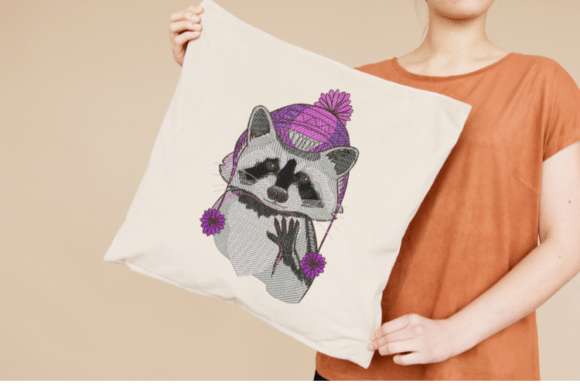
- Pillow Covers: As a focal point on a neutral linen pillow, this design adds texture and depth, appealing to customers looking for high-end home decor accents.
Production Practicalities for Small Shop Owners
For the Etsy seller or boutique maker, time is money. We need designs that are repeatable and reliable. When reviewing this file, I consider the stitch density. If the antlers are too dense, they can become stiff and may cause the fabric to pucker, especially on lighter materials like cotton poplin used for pouches. Conversely, if the density is too low, the fabric might show through, ruining the realistic effect.
It is essential to check the embroidery file settings before running a full batch. I recommend testing the design on scrap fabric that matches your intended product material. Pay close attention to the thread colors. While the design may come with suggested color stops, swapping to a monochromatic scheme (such as varying shades of brown or grey) can create a sophisticated, modern look that sells well in urban markets.
Another critical factor is the hoop size. Ensure that the design fits comfortably within your standard hoops without requiring excessive re-hooping, which slows down production. For a small shop product, efficiency in batching is vital. If this design requires constant trimming or jump stitch management, it might not be the best choice for high-volume days.
Visual Marketing and Online Presence
In the digital realm, your product photos do the selling. The Deer Head Embroidery Design photographs exceptionally well because of its distinct silhouette. When creating listings, use a printable mockup to visualize the design on various items before you even stitch a single thread. This helps in planning your inventory mix.
High-resolution images of the finished stitch work can highlight the quality of your commercial embroidery. Close-ups of the antler details demonstrate the precision of your machine and the quality of the digital embroidery file. These design assets are crucial for convincing online buyers of the tactile quality they cannot physically touch.
Careful-Use Notes and Technical Considerations
While this design is robust, there are pitfalls to avoid. Here are some technical notes based on typical challenges with detailed animal portraits:
- Fabric Texture: Avoid using this design on highly textured fabrics like heavy bouclé or loose-weave linen unless you use a strong cut-away stabilizer. The fine details of the deer’s eyes and nose may get lost in the weave.
- Dark Fabrics: If stitching on black or navy, ensure you have a proper underlay stitch to prevent the background fabric from peeking through the lighter threads of the design.
- Small Sizes: Do not scale this design down too small. The intricate antler branches may merge into a solid blob if reduced below a certain threshold. Always maintain a minimum size where the details remain distinct.
- Commercial Licensing: Before selling any finished product featuring this design, confirm the license terms included with the purchase. Most designers allow commercial use for physical goods, but restrictions may apply to digital resale.
Final Verdict for Craft Fair Sellers
The Deer Head Embroidery Design is a strong contender for any maker focusing on nature-inspired goods. It offers the right blend of detail and simplicity to catch the eye without overwhelming the product. For booth displays, consider creating a "collection" feel by using the same design on different items—a tote, a patch, and a pillow—to show versatility.
Remember, the success of this design depends on your execution. Test your tension, choose high-quality threads that resist fading, and ensure your stabilizer matches the fabric weight. When done correctly, this design does not just decorate an item; it transforms a simple handmade product into a cherished keepsake. Whether you are a seasoned Etsy seller or a new crafter testing the waters at local markets, this deer head design provides a professional foundation for building a cohesive and attractive product line.