Reviewing the Highland Cow Machine Embroidery Design
As an embroidery designer who spends countless hours digitizing and stitching out files for clients, I have developed a keen eye for what makes a digital embroidery file truly viable for commercial use. It is not just about the cute factor; it is about stitch quality, density management, and how well the design translates from a screen to actual fabric. Recently, I came across the Highland Cow Machine Embroidery on Creative Fabrica, and given the enduring popularity of rustic and farmhouse aesthetics, I decided to evaluate this little Christmas highland cow machine embroidery design for instant download to see if it holds up for real-world projects.
First Impressions and Visual Appeal
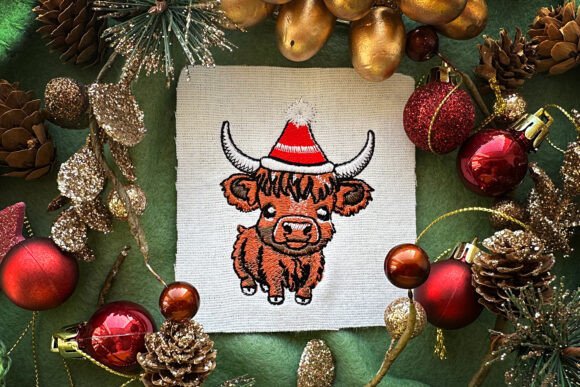
The immediate appeal of this machine embroidery design lies in its charming character. The description highlights a cute calf with chic fringe, which suggests a playful yet sophisticated take on the trendy highland cow motif. For those of us creating seasonal items, integrating a Christmas theme without being overly cliché is a delicate balance. This design appears to hit that sweet spot, offering a festive vibe that feels modern rather than dated.
Visually, the "chic fringe" detail is critical. In embroidery, simulating hair or fur requires careful planning of stitch direction and type. A poorly digitized fur effect can look like a messy blob of thread, but a well-executed one adds texture and depth. This embroidery file seems to prioritize that textural element, which is essential for capturing the personality of the highland cow. For Etsy sellers and small business owners, this visual distinction is what stops a scroller in their tracks.
Practical Application for Custom Apparel and Home Decor
When I consider adding a new Creative Fabrica embroidery asset to my library, I immediately brainstorm where it will live. The product description mentions it is perfect for a t-shirt or hat decoration. Let’s break down how this specific design might perform across various substrates.
- Custom Apparel: For sweatshirt embroidery, the dense nature of fleece provides a great base for the fringe details. However, on a t-shirt, you must be cautious. If the design uses heavy fill stitches, it may pucker lightweight cotton. I would recommend using a cut-away stabilizer to support the weight of the stitching.
- Caps and Hats: Embroidering on curved cap surfaces is notoriously difficult. If this design is compact, it could work beautifully on the front panel of a dad hat. The key here is checking the stitch count and ensuring the design isn’t too wide, which could cause distortion on the curve.
- Tote Bag Design: Canvas tote bags are sturdy and handle embroidery well. This highland cow would make a fantastic focal point for a holiday gift bag or a year-round rustic accessory. The contrast of thread colors against natural canvas can be striking.
- Kitchen Towels and Aprons: These items undergo frequent washing. A well-digitized design with proper underlay stitching will withstand laundering better than one that relies solely on surface satin stitches.
Technical Considerations for Stitch Quality
Before running this digital embroidery file on a customer’s expensive garment, there are several technical factors to review. Since the specific file formats and hoop sizes are not detailed in the brief description, it is imperative to check the product page on Creative Fabrica for these specifics. However, based on the nature of such designs, here are my professional recommendations.
First, consider the stitch density. Designs with "fringe" or hair-like textures often utilize a combination of running stitch and short satin stitches. If the density is too high, the fabric may bunch up. If it is too low, the backing fabric might show through. Always run a test stitch-out on scrap fabric that matches the weight and weave of your final material.
Second, think about thread colors. The highland cow typically features earthy tones—browns, creams, and blacks. When working on dark fabric, you may need to adjust your thread palette or use a white underlay to make the lighter fringe pop. Conversely, on light fabric, ensure your dark outlines are sharp and not buried by excessive pull compensation.
Third, evaluate the need for an applique design structure. While this appears to be a standard embroidered design, sometimes complex shapes benefit from applique to reduce stitch count and bulk. If this file is purely embroidered, ensure your stabilizer choice matches the complexity. For stretchy fabrics like jersey knits, a fusible tear-away or cut-away stabilizer is non-negotiable to prevent distortion during stitching.
Enhancing Product Value and Brand Consistency
For handmade shop owners and creative entrepreneurs, the choice of design assets directly impacts brand perception. Using a high-quality Highland Cow Machine Embroidery design can elevate a simple item into a personalized gift that feels bespoke. The "chic" aspect mentioned in the description suggests a level of sophistication that appeals to buyers looking for boutique merchandise rather than mass-produced goods.
When photographing your finished product, the texture of the embroidery plays a huge role. Good lighting can highlight the directionality of the fringe stitches, adding dimension to your printable mockup or social media posts. This visual appeal drives customer engagement and can justify a higher price point for your custom apparel or home decor items.
Moreover, consistency is key. If your brand leans towards rustic, farmhouse, or cozy winter themes, this design fits seamlessly. It allows you to create a cohesive collection that might include matching pillow covers, baby blankets, and patches. This cross-selling opportunity increases the average order value for your shop.
Final Verdict and Best Practices
Is the Highland Cow Machine Embroidery worth downloading? For designers looking to expand their holiday or rustic catalog, it certainly shows promise. The concept of a cute calf with chic fringe offers a unique twist on a popular animal motif. However, success lies in the execution.
- Verify File Details: Before purchasing, confirm the included hoop sizes and file formats to ensure compatibility with your machine.
- Test Rigorously: Never skip the test stitch. Check for thread breaks, nesting, and registration issues, especially in the detailed fringe areas.
- Check Licensing: Review the license terms on the Creative Fabrica product page. Ensure you are compliant regarding the sale of finished physical items versus digital redistribution.
- Consider the End Use: Match the design complexity to the fabric. Save intricate details for stable fabrics like denim or canvas, and simplify expectations for stretchy knits.
In conclusion, this embroidery design has the potential to be a standout seller for your Christmas collection or year-round rustic line. By paying attention to stabilizer choices, thread contrast, and fabric suitability, you can transform this digital asset into a high-quality handmade product that delights customers and builds trust in your brand. Always prioritize quality control, and let the charm of the highland cow do the rest of the marketing for you.