Review: Gingerbread Candy Boy Applique Embroidery
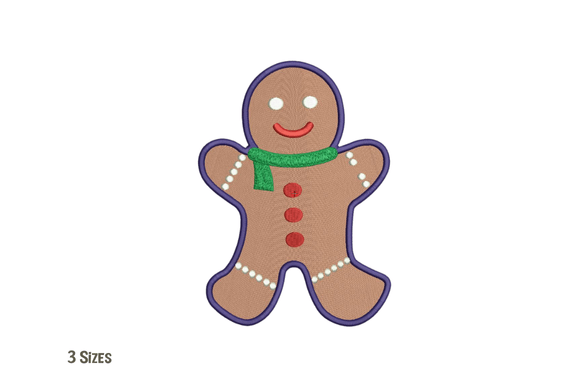
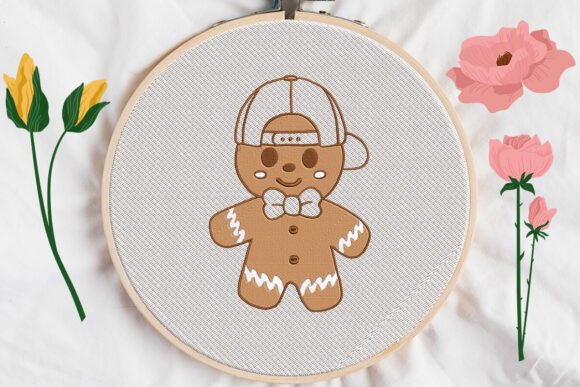
As a designer who has spent countless hours staring at digitizing software and even more hours watching needles punch through fabric, I have learned to be skeptical of holiday motifs. They often lean too heavily on cliché or suffer from poor digitizing that turns cute concepts into tangled messes. However, when I pulled up the Gingerbread Candy Boy Applique Embroidery file for a recent client project, my initial reaction was one of genuine curiosity. This isn’t just another cookie outline; it is a character-driven design that balances whimsy with structural integrity.
I approached this machine embroidery design not as a casual hobbyist, but as a professional evaluating its viability for commercial use. My goal was to determine if this applique design could hold up under the scrutiny of a boutique customer while remaining efficient enough for small batch production. Here is my breakdown of how this design performs in real-world scenarios.
First Impressions and Visual Personality
The first thing that strikes you about the Gingerbread Candy Boy is its layout. It avoids the cluttered look that plagues many holiday designs. The silhouette is clean, relying on the contrast between the gingerbread base and the candy accents to create visual interest. The mood is undeniably festive, evoking warmth and nostalgia without feeling overly childish. This makes it versatile. It feels appropriate for a high-end personalized gift just as much as it does for a playful children’s item.
The use of applique here is smart. By replacing dense fill areas with fabric patches, the design reduces stitch count and bulk. This is crucial for maintaining the drape of garments. The satin stitch borders appear crisp in the preview, suggesting that the digitizer has accounted for pull compensation. For an Etsy seller or craft business owner, this means less time spent trimming loose threads and more time focusing on presentation.
Real-World Application: The Tote Bag Test
To truly test the design, I decided to use it on a canvas tote bag, a staple item for any small shop product line during the holidays. Canvas is unforgiving; it shows every skipped stitch and uneven tension. I placed the Gingerbread Candy Boy centrally, ensuring the hoop size accommodated the full width of the boy’s arms and candy cane.
The result was impressive. The running stitch placement lines were easy to see against the natural cotton, making the fabric placement straightforward. Once the applique fabric was secured, the satin border stitched down cleanly. The design did not pucker the heavy canvas, thanks to the reduced density inherent in applique work. This experience confirmed that this embroidery file is well-suited for tote bag design projects where durability and aesthetics must coexist.
Versatility Across Products
Beyond totes, I envision this design working beautifully on several other items:
- Sweatshirt embroidery: The soft texture of fleece pairs well with the cozy theme. Ensure you use a cut-away stabilizer to prevent distortion.
- Baby embroidery: On onesies or bibs, the lack of dense stitching means the garment remains soft against sensitive skin. Always use a no-tear backing for comfort.
- Embroidered patch: This design would make an excellent iron-on or sew-on patch. The clear outlines allow for easy cutting around the shape.
- Holiday embroidery on kitchen towels: A quick, charming addition to seasonal home decor sets.
Technical Considerations and Limitations
While the design is strong, it is not without its constraints. As a reviewer, I must point out where caution is needed. The intricate details of the candy decorations require precise thread tension. If your machine is not calibrated, the small fill stitch areas might look sparse or messy. I recommend testing the design on scrap fabric first, ideally using the same thread brands you plan to sell with.
Fabric choice matters immensely. On textured fabrics like terry cloth or heavy wool, the finer details of the boy’s face might get lost. In such cases, consider scaling the design up slightly or simplifying the thread colors to maintain clarity. Conversely, on thin or stretchy fabrics, the applique process can cause shifting. Using a strong temporary adhesive spray and a high-quality stabilizer is non-negotiable here.
Also, consider the hoop size. While the design is compact, ensure your hoop can comfortably fit the entire motif without hitting the edges. Crowding a design near the hoop border often leads to needle strikes or distorted shapes, which ruins the professionalism of the finished product.
Commercial Viability and Brand Value
For commercial embroidery professionals, the value of a design lies in its ability to sell. The Gingerbread Candy Boy has high "giftability." It triggers an emotional response that encourages impulse buys. When used in custom apparel or boutique branding, it signals attention to detail. Customers trust handmade items that look polished, and this design delivers that polish through its clean lines and balanced composition.
However, always verify the license terms. Just because a file is labeled as a digital embroidery file does not automatically grant unlimited commercial rights. Check whether the creator allows for mass production or if there are caps on the number of physical items you can sell. Protecting your design assets and respecting intellectual property is part of running a sustainable creative business.
Practical Designer Notes
- Test on scrap fabric: Never run a new design directly on final merchandise. Check for thread breaks and registration issues.
- Check thread color contrast: The design relies on contrast. Ensure your chosen thread colors stand out against both the applique fabric and the base garment.
- Review stitch density: If the design feels too stiff after stitching, consider adjusting your tension or using a lighter weight stabilizer.
- Mockup in black and white: This helps identify value issues. If the design disappears in grayscale, it may lack sufficient contrast for distant viewing.
- Confirm hoop size: Measure twice, hoop once. Ensure the design fits within your machine’s maximum area.
In conclusion, the Gingerbread Candy Boy Applique Embroidery is a solid addition to any holiday collection. It balances charm with technical practicality, making it a reliable choice for handmade product creators. Whether you are decorating a sweatshirt, creating a personalized gift, or stocking your online store, this design offers the quality and appeal needed to engage buyers. Just remember to respect the technical requirements of applique work, and you will achieve professional results that enhance your brand’s reputation.