Review: Football Helmet Embroidery Design for Merch
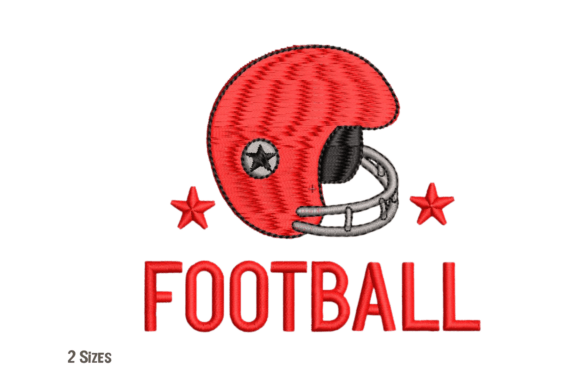
As an embroidery designer who has spent years digitizing files and consulting with small business owners, I approach every new machine embroidery design with a critical eye. It is not just about whether the image looks cute on a screen; it is about how that design performs under the needle, how it wears over time, and most importantly, how it elevates a brand. Recently, I reviewed the Football Helmet Embroidery Design, a bold graphic featuring a red helmet adorned with stars and the word FOOTBALL. While this piece clearly targets sports fans and athletes, its application extends far beyond the locker room. For boutique owners, Etsy sellers, and custom apparel decorators, understanding the technical and aesthetic nuances of this file is crucial before adding it to your product lineup.
First Impressions: Boldness and Brand Personality
The first thing that strikes you about the Football Helmet Embroidery Design is its assertive visual personality. It is not subtle, nor is it trying to be. The use of a bold red helmet immediately commands attention, while the inclusion of stars adds a classic, almost vintage sports Americana feel. In the world of branding, this design screams energy, teamwork, and tradition. For a small business, this translates to a specific type of customer engagement. It feels professional yet playful, making it an excellent candidate for brands that want to project strength and community spirit.
However, from a design review perspective, we must look past the initial excitement. The combination of the helmet shape, the stars, and the text requires careful handling. If the digitization is poor, the text can become illegible, and the stars may merge into the helmet’s shading. A high-quality digital embroidery file should maintain clear separation between these elements, ensuring that the word FOOTBALL remains readable even at smaller scales. This balance between decorative flair and legibility is what separates a amateur clipart conversion from a professional production asset.
Real-World Applications for Small Business Merch
Where does this design actually shine in a commercial setting? While it is categorized under Sports, its utility as a custom apparel accent is versatile. Here is how I envision this design performing across different product lines:
- Embroidered Patches: This is perhaps the strongest use case. A satin-stitch border around the helmet can create a durable, high-value patch. These can be sold individually or used as add-ons for jackets and bags, increasing the average order value for handmade shops.
- Cap Embroidery: Placed on the front panel of a structured cap, the helmet motif works well. However, the curvature of the cap requires precise placement. The design must be centered perfectly to avoid distortion, which is a common pitfall for novice embroiderers.
- Tote Bag Design: For school teams or local leagues, this design adds a vibrant focal point to canvas tote bags. The bold red thread contrasts beautifully against natural or black canvas, creating a striking finished product that customers love to carry.
- Staff Uniforms and Aprons: Imagine a sports bar or a athletic training clinic. Using this design on apron embroidery or polo shirts creates immediate brand recognition. It signals to customers that the staff is part of a cohesive, energetic team.
For Etsy sellers and merch creators, this design can be part of a larger collection. Pairing it with complementary fonts or secondary graphics can create a cohesive line of small business merch that appeals to parents, coaches, and fans alike. The key is consistency. If you are using this for a local league, ensure that the thread colors match the team’s official palette, adjusting the default red if necessary.
Technical Considerations and Production Challenges
Before you load this file into your machine, there are several technical factors to consider. The description mentions a bold red helmet with stars and text. This implies a mix of fill stitches (for the helmet) and potentially satin or running stitches (for the stars and text). This variation affects stitch density significantly.
If you are embroidering on a lightweight fabric, such as a performance jersey or a thin tote bag, high stitch density can cause puckering. To mitigate this, you must use the correct stabilizer. A cut-away stabilizer is often recommended for garments that will undergo frequent washing, while a tear-away might suffice for decorative items that see less wear. Always test the design on a scrap piece of the actual fabric you intend to use. This step is non-negotiable for professional results.
Another critical area is size. The word FOOTBALL within the design dictates the minimum viable size. If you shrink the design too much for a tiny chest logo or a small hat tag, the letters will merge, and the stars will lose their definition. I advise creating a printable mockup at various sizes to check legibility before committing to production. Additionally, consider the hoop size required. Ensure your machine can accommodate the dimensions of the full design without needing to re-hoop, which can lead to alignment issues.
Impact on Brand Identity and Customer Trust
Why does the quality of an embroidery file matter for your brand? Because your merchandise is a physical extension of your business identity. A sloppy embroidery job with loose threads, uneven tension, or illegible text reflects poorly on your professionalism. Conversely, a crisp, well-executed Football Helmet Embroidery Design builds trust. It tells the customer that you care about details.
For handmade brands, this design can serve as a signature element. When customers see consistent, high-quality embroidery on your products, they associate that quality with your entire brand. This visual consistency is key to building recognition. Whether it is on a handmade product like a baby onesie for a little fan or a rugged backpack for a coach, the embroidery serves as a badge of authenticity.
Furthermore, offering customized versions of this design—such as changing the team name or colors—can significantly boost buyer engagement. Customers love personalization. By mastering this file, you open the door to bespoke orders that command higher prices and foster deeper customer loyalty.
Designer Notes for Commercial Use
To ensure success with this design, follow these practical steps:
- Test in Monochrome: Before using multiple thread colors, stitch out the design in black thread on white fabric. This helps you identify any structural issues with the digitizing, such as gaps or overlapping stitches, without the distraction of color.
- Check Thread Contrast: The default red helmet needs to pop. If you are stitching on dark uniforms, ensure you have a bright enough underlay or consider outlining the design to separate it from the background fabric texture.
- Verify Licensing: The product description hints at commercial use, but always confirm the license terms included with the embroidery file. Ensure you have the rights to use it for commercial embroidery projects, especially if you are selling the finished goods.
- Inspect Spacing: Look closely at the spacing between the stars and the helmet. If they are too close, they may pull on each other during stitching, causing distortion. Adjusting pull compensation in your software may be necessary if you have editing capabilities.
In conclusion, the Football Helmet Embroidery Design is a potent tool for businesses targeting the sports market. It offers a blend of bold aesthetics and functional versatility. However, its success depends entirely on the skill of the operator and the quality of the production process. By respecting the technical requirements of stitch density, stabilizer choice, and sizing, you can transform this digital asset into a premium physical product that enhances your brand and delights your customers. Always prioritize quality over speed, and let your embroidery speak for the professionalism of your business.