Pumpkin Mini Embroidery: A Designer’s Review
As an embroidery designer who spends countless hours digitizing and testing files, I have developed a keen eye for what makes a machine embroidery design truly viable for commercial use. It is not just about how the preview looks on a screen; it is about how the stitches lay down on fabric, how the design holds up after washing, and whether it adds genuine value to a finished product. Recently, I took a close look at the Pumpkin Mini Embroidery available on Creative Fabrica, evaluating it specifically for real-world project application rather than just aesthetic appeal.
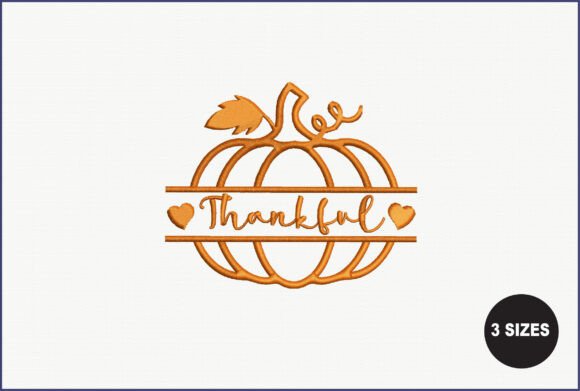
The first impression of this design is undeniably charming. It captures that specific "cute and cozy" mood that dominates the autumn market. For those of us selling handmade goods, timing is everything, and having a versatile embroidery file that bridges the gap between Halloween whimsy and Thanksgiving warmth is a significant asset. The textured pumpkin motif suggests a tactile quality that translates well into thread, promising a decorative appeal that goes beyond flat printing.
Visual Mood and Stitching Personality
When reviewing a new Creative Fabrica embroidery asset, I always look for stitching personality. Does it rely too heavily on dense fill stitches that might puckers lightweight fabric? Or does it utilize a balanced mix of satin stitch and running stitch to create depth without excessive bulk? The Pumpkin Mini Embroidery appears to focus on texture, which is crucial for small-scale designs. A mini design can easily get lost if the details are too fine, but if the stitch density is managed well, it becomes a focal point.
This design seems ideal for projects where subtlety is key. It is not an oversized, loud statement piece but rather a refined accent. This makes it particularly suitable for custom apparel where you want a touch of seasonal flair without overwhelming the garment. Think of a left-chest placement on a sweatshirt or a small detail on a cuff. The visual mood is festive yet sophisticated enough for boutique merchandise, not just craft fair novelties.
Real-World Project Applications
In my workshop, I am constantly considering which products will yield the best return on investment for my time. Here is how I envision using this digital embroidery file across various product lines:
- Tote Bag Design: A small pumpkin embroidered near the handle or in the corner of a canvas tote adds a seasonal touch that customers love during the fall harvest season.
- Sweatshirt Embroidery: Placed on the wrist cuff or above the hem, this mini design turns a basic blank into a premium handmade product.
- Kitchen Towels and Aprons: These items are high-volume sellers during the holidays. A textured pumpkin adds a professional finish that printed designs often lack.
- Embroidered Patch: If stabilized correctly, this design could be stitched out as a standalone patch, offering versatility for customers who want to iron or sew it onto jackets or bags later.
- Nursery Decor: For baby blankets or bibs, the "cute" factor is essential. However, one must ensure the stitch density is soft enough for sensitive skin.
The versatility extends to personalized gift markets as well. Imagine this pumpkin paired with a monogram or a name. The simplicity of the shape allows it to complement text without competing for attention. This is vital for creating cohesive design assets for Etsy listings or printable mockups.
Practical Considerations for Embroiderers
While the design is appealing, practical execution requires careful planning. Since this is a "mini" design, hoop size selection is critical. You do not want to use a large hoop for a tiny design unless you are doing multiple placements, as it wastes stabilizer and time. Ensure you select the appropriate size from the included options to match your project scale.
Fabric choice plays a massive role in the outcome. For stretchy fabrics like jersey knits used in t-shirts or baby items, a cut-away stabilizer is non-negotiable to prevent distortion. For woven fabrics like linen aprons or canvas totes, a tear-away might suffice, but given the textured nature of the pumpkin, I would recommend testing on scrap fabric first. Check how the thread colors contrast against your material. Dark fabrics may require an underlay or a lighter top thread to ensure the texture is visible, while light fabrics allow for richer, deeper autumnal hues.
Another consideration is the curved surface of caps. Embroidering on a cap requires precise hooping and often a different approach to stitch direction to avoid gaps. If you plan to use this Pumpkin Mini Embroidery on headwear, ensure you test the tension and registration carefully. Small details can shift on curved surfaces, so inspecting the small details after stitching is a mandatory step before presenting the finished product to a client.
Enhancing Product Value and Brand Consistency
From a business perspective, incorporating high-quality embroidery elevates perceived value. A customer is more likely to trust a brand that offers textured, handcrafted details over mass-produced prints. This design helps maintain brand consistency if your shop focuses on cozy, home-spun aesthetics. It enhances the giftability of your items, making them perfect for hostess gifts or teacher appreciation presents during the fall semester.
Furthermore, good embroidery photographs beautifully. The texture of the stitches catches the light, adding dimension to your product photography. This can significantly boost customer engagement on social media and marketplace platforms. When buyers see the quality of the stitch work in your photos, they are more confident in purchasing your commercial embroidery products.
Final Verdict and Usage Tips
Before committing to a large batch of production, always review the specific file details provided on the Creative Fabrica product page. The description notes that 8 formats and 5 sizes are included in the zip file, which offers excellent compatibility for most modern machines. However, always confirm machine compatibility with your specific model. Additionally, verify the license terms to ensure you are compliant when selling finished items.
To get the best results, follow these steps:
- Test on scrap fabric identical to your final product material.
- Check thread color contrast to ensure the texture pops.
- Review stitch density to prevent puckering on lightweight fabrics.
- Confirm hoop size matches your desired placement.
- Compare light and dark fabric mockups to plan your thread palette.
- Use proper stabilizer for the fabric type.
- Inspect small details after stitching to ensure clarity.
In conclusion, the Pumpkin Mini Embroidery is a strong contender for your autumn collection. It balances festive charm with practical usability, making it a reliable choice for both novice crafters and seasoned professionals looking to expand their Thanksgiving and fall inventory. By paying attention to the technical details of execution, you can transform this simple digital file into a standout handmade product that resonates with your audience.