Geranium Flower Embroidery: A Designer’s Practical Review
When I first loaded the Geranium Flower Embroidery file into my digitizing software, I wasn’t just looking at pixels; I was visualizing the final texture on fabric. As an experienced designer who has spent years troubleshooting stitch paths and managing client expectations, I approach every new machine embroidery design with a critical eye. This particular piece, categorized under Single Flowers, promises intricacy and grace. But does it hold up when the needle actually hits the hoop? Let’s break down how this design performs in real-world scenarios, from boutique apparel to handmade home goods.
First Impressions: Mood and Visual Personality
The immediate impression of the Geranium Flower Embroidery is one of delicate sophistication. Geraniums are often associated with comfort and domestic warmth, and this design captures that essence without feeling dated. The layout feels organic, avoiding the rigid symmetry that can make floral designs look stiff or mass-produced. For a designer, this natural flow is crucial because it allows the embroidery to sit comfortably on various garments without fighting the fabric’s drape.
The detail level is significant. It relies heavily on nuanced fill stitch work to create the softness of the petals, balanced by sharper satin stitch outlines that define the flower’s structure. This combination creates a visual depth that looks expensive. When evaluating such a design, I always consider the "readability" from a distance. Will a customer walking past a craft fair booth notice it? Yes. The contrast between the detailed center and the broader petal shapes ensures the motif remains clear even from several feet away.
Real-World Application: Where This Design Shines
To truly test a design, you have to imagine it on actual products. I recently considered this file for a custom order involving linen tote bags. The Geranium Flower Embroidery worked exceptionally well here. Linen has a distinct weave, and the density of this design provided enough coverage to stand out against the textured background without puckering the fabric excessively. It transformed a simple grocery bag into a high-end handmade product that could easily command a higher price point.
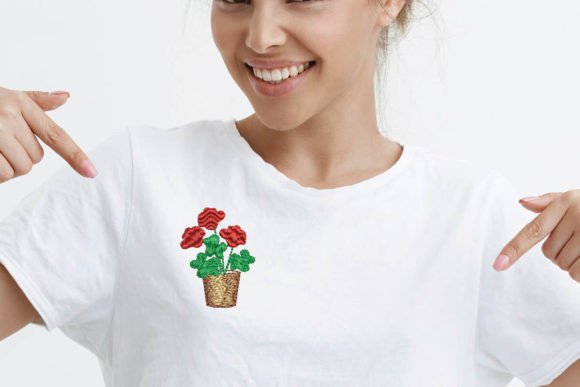
Beyond totes, this design is a strong candidate for sweatshirt embroidery. Placed on the left chest or as a larger back piece, the intricate details add a touch of elegance to casual wear. It also fits beautifully into the niche of baby embroidery. Imagine this geranium stitched onto a muslin swaddle or a cotton onesie. The soft curves and lack of aggressive, jagged lines make it gentle and appropriate for nursery decor or infant clothing. For Etsy sellers and small shop owners, this versatility is a major asset. One well-digitized file can serve multiple product lines, from holiday embroidery gifts to year-round custom apparel.
Considerations for Challenging Fabrics
However, not every surface is forgiving. While the design is stunning, its intricacy requires careful handling on certain materials. If you are planning to use this on stretchy knits or thin silks, you must prioritize your stabilizer choice. The stitch density appears moderate to high, which means it has weight. On lightweight fabrics, this could cause pulling or distortion if not properly supported with a cut-away stabilizer.
Additionally, be cautious with dark fabrics. The design relies on subtle shading within the petals. If you use thread colors that do not contrast sufficiently with the base fabric, those delicate details may get lost. I always recommend running a test stitch-out on scrap fabric of the same type and color as your final project. Check the thread colors in natural light to ensure the gradient effects are visible. For dark garments, consider adding a slight underlay or choosing brighter, more saturated threads to maintain visual clarity.
Commercial Viability and Brand Consistency
For creative entrepreneurs and digital product sellers, the value of an embroidery file lies in its reliability. A design like Geranium Flower Embroidery enhances brand consistency because it looks professional. Customers associate clean, well-defined stitching with quality. When you sell a personalized gift featuring this flower, you are selling an experience of care and craftsmanship. The design’s aesthetic aligns well with brands that focus on botanical, cottagecore, or classic feminine styles.
From a marketing perspective, this design photographs well. Whether you are creating printable mockups for your online store or taking photos for social media, the defined edges and textured fill stitches catch the light nicely. This visual appeal drives buyer engagement. However, always remember to verify the licensing terms. Before using this as a commercial embroidery asset for mass production or selling the digital embroidery file itself, confirm that your purchase includes the necessary commercial rights. Most reputable designers allow you to sell finished physical items, but reselling the file is typically prohibited.
Practical Designer Notes for Best Results
To ensure your embroidery project succeeds, follow these practical steps before stitching your final piece:
- Test on Scrap Fabric: Never skip this step. Use the same fabric and stabilizer combination you plan to use for the final product to check for registration issues or puckering.
- Check Hoop Size Compatibility: Verify that the design dimensions fit within your machine’s hoop. While this is a single flower, ensure there is enough margin for the frame to grip the fabric securely.
- Inspect Small Details: Zoom in on the digitizing software. Look for any unnecessary jump stitches or overly dense areas that might cause thread breaks.
- Contrast is Key: If stitching on white fabric, use varied shades of pink, red, or purple to highlight the depth. On black fabric, bright whites or neons can make the design pop.
- Wash Testing: If the final item will be washed frequently, such as a kitchen towel or baby item, ensure your thread quality is high and the stabilizer is trimmed close to prevent irritation or unraveling.
In conclusion, the Geranium Flower Embroidery is a robust addition to any designer’s library. It balances artistic detail with practical stitch engineering. Whether you are creating an embroidered patch for a jacket, decorating a pillow cover, or launching a new line of boutique merchandise, this design offers the flexibility and polish needed to impress clients and customers alike. Treat it with the respect it deserves in preparation, and it will deliver a finished product that speaks volumes about your skill and attention to detail.