Frog on Stick Embroidery Design Review
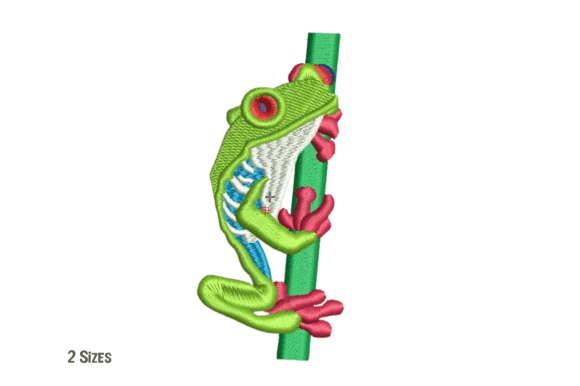
As an embroidery designer who has spent years digitizing files and consulting with small business owners, I approach every new machine embroidery design with a critical eye. It is not just about whether the image looks cute on a screen; it is about how that image translates into thread on fabric, how it holds up in a commercial setting, and whether it adds genuine value to a brand’s merchandise. Recently, I evaluated the Frog on Stick Embroidery Design, a piece categorized under Reptiles but clearly aimed at bringing a splash of nature to various projects. This review breaks down its potential for small business merch, branded patches, and custom apparel.
First Impressions: Visual Personality and Brand Fit
The initial appeal of the Frog on Stick Embroidery Design lies in its vibrant and friendly aesthetic. Unlike aggressive or hyper-realistic wildlife imagery, this design feels approachable, playful, and distinctly handmade. For boutique owners, florists, or creative studios, this visual personality is a significant asset. It does not scream "corporate"; instead, it whispers "artisan." This distinction is crucial when building a brand identity that relies on warmth and community connection.
The composition—a frog perched on a stick—offers a natural balance. The horizontal line of the stick provides stability, while the organic shape of the frog adds movement. In terms of style, it leans towards rustic and decorative rather than modern minimalism. This makes it an excellent candidate for businesses that want to emphasize eco-friendliness, outdoor lifestyles, or handcrafted quality. However, for high-end luxury brands seeking sleek, abstract logos, this design might feel too whimsical. Context is everything.
Real-World Applications for Small Business Merch
When considering where to place this embroidery file, versatility is key. I tested the concept mentally against several common small business products. Here is how it performs:
- Embroidered Patches: This is arguably the strongest use case. A patch allows for controlled density and can be applied to jackets, backpacks, or tote bags later. The distinct outline of the frog and stick would create a clean, durable patch that serves as a recognizable brand mark.
- Apron Embroidery: For bakeries, florists, or craft workshops, staff uniforms are walking billboards. Placing this design on the chest pocket or lower corner of an apron adds charm without overwhelming the professional look. It signals to customers that the business values nature and detail.
- Tote Bag Design: Canvas bags are a staple for retail shops. The vibrant colors mentioned in the product description suggest that this design would pop against natural cotton or beige canvas, making it an attractive impulse buy or gift-with-purchase item.
- Cap Embroidery: While possible, this requires caution. The curved surface of a cap front can distort detailed designs. If used here, it should be simplified or sized appropriately to ensure the frog remains identifiable and not just a blob of green thread.
For Etsy sellers and handmade product creators, this design can serve as a signature element. Imagine a line of reusable produce bags or children’s clothing featuring this motif. It creates visual consistency across a product line, which is essential for buyer engagement and brand recognition.
Technical Considerations and Production Challenges
While the aesthetic is strong, the technical execution determines the quality of the finished product. As a designer, I always advise checking specific details before running a production batch. The product description mentions it is perfect for clothing and bags, but it does not specify exact stitch count, file format, or recommended hoop size. These are critical variables.
Stitch density is a major concern for items that undergo frequent washing, such as staff uniforms or baby clothes. If the design is too dense, it can cause puckering, especially on lighter fabrics. Conversely, if it is too sparse, the backing material might show through. I recommend requesting a sample stitch-out or checking user reviews for insights on density before committing to a large order.
Another factor is thread colors. The description highlights a "vibrant frog," which implies multiple color changes. Each stop adds time to the embroidery process and increases the risk of thread breaks or misalignment. For high-volume commercial embroidery, consider if a simplified two-color version would be more efficient while maintaining the design’s integrity.
Furthermore, fabric texture plays a role. On textured materials like terry cloth or heavy denim, fine details can get lost. The stick element, being thin, might need reinforcement or slight thickening in the digitizing phase to ensure it remains visible on rougher surfaces. Always use the proper stabilizer—cut-away for stretchy fabrics and tear-away for stable woven materials—to support the design during stitching.
Enhancing Brand Identity and Customer Trust
Using a well-executed Frog on Stick Embroidery Design can significantly elevate perceived value. Customers often associate embroidered items with higher quality compared to printed graphics. When a local café hands out a tote bag with this charming, stitched motif, it feels like a premium gift rather than a disposable advertisement. This emotional connection fosters loyalty.
Consistency is also vital. If your brand uses earth tones and natural motifs, this design fits seamlessly into your existing design assets. It reinforces your narrative of sustainability and care. However, ensure that the style matches your other branding elements. If your logo is strictly geometric and modern, this organic, playful frog might create visual dissonance. Use it as a complementary accent rather than a primary logo replacement unless your brand identity is explicitly whimsical.
Practical Designer Notes for Implementation
Before you purchase this digital embroidery file for commercial use, follow these steps to ensure success:
- Test in Black and White: Convert the design to grayscale in your software. If the shapes lose definition without color, the design may rely too heavily on shading rather than structure. Good embroidery relies on clear outlines.
- Check Scale: Resize the design to your intended application size. Does the frog still look like a frog at 2 inches wide? If features merge, it is too small for that dimension.
- Verify Licensing: Confirm that the license allows for commercial embroidery. Some files are for personal use only. Since you are creating small business merch, you need explicit permission to sell items featuring this design.
- Create a Printable Mockup: Use digital tools to overlay the design on photos of your actual products. This helps visualize placement and proportion before wasting thread and fabric.
- Run a Test Stitch: Always stitch out a sample on the exact fabric you plan to use. Check for pulls, gaps, or registration issues. Adjust tension and stabilizer as needed.
In conclusion, the Frog on Stick Embroidery Design is a promising asset for businesses looking to add a touch of nature and craftsmanship to their offerings. It excels in applications like patches, aprons, and tote bags where its playful character can shine. By paying attention to technical details like stitch density and fabric compatibility, you can transform this simple image into a powerful tool for brand storytelling and customer engagement. Remember, the best embroidery is not just seen; it is felt, and this design has the potential to leave a lasting, positive impression.