Acorn Machine Embroidery Design Review
As an embroidery designer who has spent countless weekends behind a craft fair table, I know that the difference between a browser and a buyer often comes down to visual impact and perceived quality. When I first loaded the Acorn Machine Embroidery Design into my software, I was looking for more than just a pretty picture. I was evaluating its potential as a high-converting craft fair product. This design immediately struck me as a timeless piece that balances rustic charm with elegant simplicity, making it a versatile asset for any autumn-themed collection.
First Impressions and Aesthetic Appeal
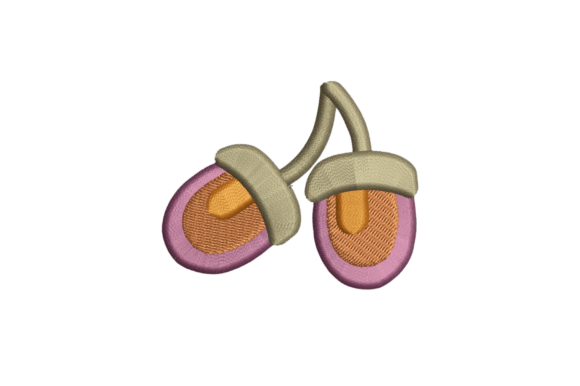
The initial view of this machine embroidery design suggests a warm, inviting aesthetic. It is not overly cartoonish, nor is it stiffly formal. Instead, it captures the spirit of growth and potential mentioned in its description through organic lines and balanced proportions. For sellers targeting the farmhouse, cottagecore, or modern rustic markets, this design fits seamlessly. The rich details imply a premium feel, which is crucial when you are trying to justify higher price points for your handmade product lineup.
When considering thread colors, this design offers flexibility. It looks stunning in traditional earth tones—burnt orange, deep brown, and olive green—but also holds its own in monochromatic schemes using varying shades of cream or gray. This versatility allows you to create a cohesive brand look across different items without the design feeling repetitive.
Product Versatility for Craft Fairs
The true test of any digital embroidery file is how it translates across various substrates. Here is how I see the Acorn Machine Embroidery Design performing on popular market items:
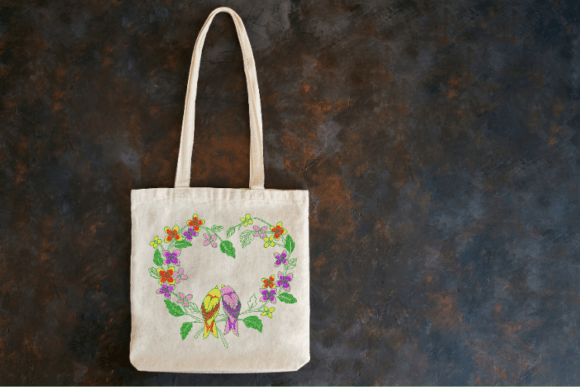
- Tote Bags: This is arguably the best application. A medium-sized acorn placed centrally on a canvas tote bag design creates an instant focal point. It is large enough to be seen from a distance but detailed enough to invite closer inspection.
- Aprons and Tea Towels: For kitchenware, the design works beautifully as a pocket accent on an apron embroidery project or as a corner detail on tea towel embroidery. It adds a touch of seasonal warmth without overwhelming the utility of the item.
- Embroidered Patches: If you offer add-ons, this design scales well for an embroidered patch. Customers love buying patches to customize their own jackets or bags, and the acorn’s clear outline ensures it remains recognizable even at smaller sizes.
- Caps and Hats: Placing a simplified version of this design on the front of a cap can be tricky due to the curved surface. However, if the stitch density is managed correctly, it serves as a subtle, high-quality branding element.
Production Practicality and Batch Selling
For those of us running a small shop product line, efficiency is key. This design appears to have a logical stitch path that minimizes jumps and trims, which is essential for batch production. When you are stitching twenty tote bags for a weekend fair, every second counts. The design does not seem to rely on excessively tiny details that might cause thread breaks or require constant supervision, making it a reliable choice for commercial use.
Photography is another critical factor. The Acorn Machine Embroidery Design has strong contrast and defined shapes, which means it photographs well for your online listings. Whether you are an Etsy seller creating a printable mockup or taking live photos for social media, the design stands out against both light and dark fabrics. This visual clarity helps drive buyer engagement and reduces the likelihood of customers misunderstanding what they are purchasing.
Technical Considerations and Careful Use
While the design is robust, there are technical nuances to consider before you start hooping. Always check the specific hoop size requirements provided with the embroidery file. If the design includes fine details in the acorn cap, ensure your machine is calibrated correctly to prevent puckering.
Fabric texture plays a significant role here. On smooth cotton or linen, the stitches will lay flat and crisp. However, on textured towels or thick denim, you may need to adjust your tension or use a cut-away stabilizer to support the weight of the stitches. Dense stitch areas should be monitored to ensure they do not become too stiff, especially on items like pillow covers where softness is desired.
Additionally, be cautious with dark fabrics. If the design relies on subtle shading, ensure you choose thread colors that provide enough contrast against black or navy backgrounds. A lack of contrast can cause the design to lose its definition, reducing its visual appeal from a distance.
Designer Notes for Best Results
- Test on Scrap Fabric: Never skip this step. Stitch out the design on the exact fabric type you plan to sell to check for registration issues.
- Review Spacing: Ensure there is adequate space between elements if the design is part of a larger composition. Crowded designs can look messy in person.
- Confirm Licensing: Before selling any finished product, verify the commercial licensing terms of the design assets. Most designers allow physical sales but restrict digital redistribution.
- Create Real Mockups: While digital mockups are useful, nothing beats a photo of the actual stitched item. It builds trust and shows the true quality of your work.
Enhancing Brand Consistency and Value
Using a cohesive design like the Acorn Machine Embroidery Design helps strengthen your booth display. When customers see the same high-quality motif on tote bags, pouches, and home decor, it reinforces your brand identity. It signals that you are a professional creator who pays attention to detail. This consistency increases the perceived value of each item, allowing you to price your commercial embroidery products competitively while maintaining healthy margins.
Furthermore, this design taps into the emotional connection people have with nature and seasonal changes. It is not just an acorn; it is a symbol of new beginnings. This narrative can be a powerful tool in your marketing copy, helping customers connect with the story behind the stitch. For creative entrepreneurs, this emotional resonance is often what turns a one-time buyer into a loyal follower.
In conclusion, the Acorn Machine Embroidery Design is a strong contender for any autumn collection. It balances aesthetic beauty with production practicality, offering versatility across a wide range of products. By paying attention to technical details like stabilizer choice and thread contrast, you can maximize its potential and create standout items that fly off your craft fair table. Remember to always check the specific file details for stitch count and format compatibility with your machine, and enjoy the process of bringing this timeless symbol to life.